
How Mountain Park Neighborhoods Flood
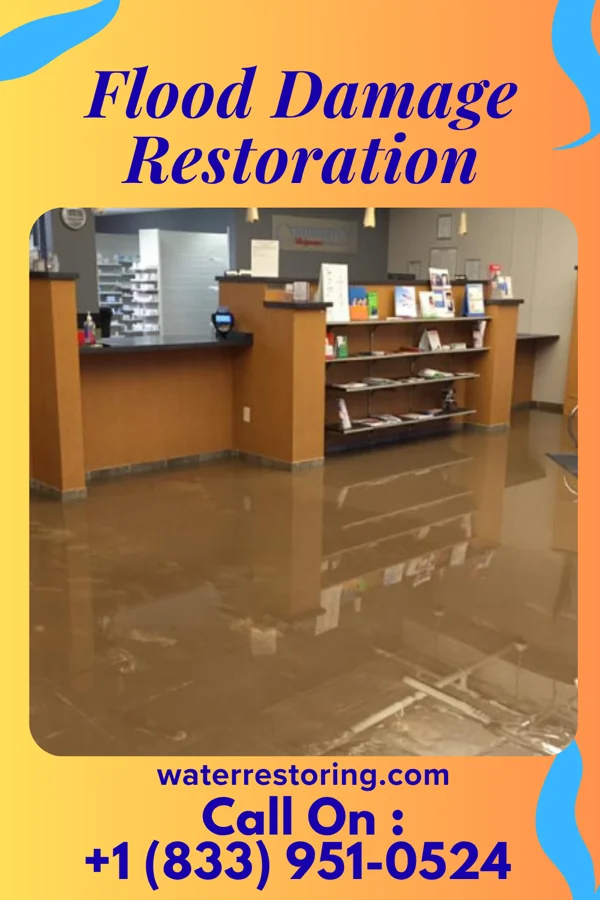
Every neighborhood in Mountain Park has a different water damage risk profile. The one that shows up on most restoration calls is Mountain Park, Georgia experiences flood risks primarily due to heavy rainfall events and nearby creeks that can overflow during intense storms. The area's suburban layout and proximity to natural waterways increase the likelihood of localized flooding, especially in low-lying areas..
The climate in Mountain Park is humid subtropical, leading to frequent thunderstorms and heavy downpours. These weather patterns contribute to flash flooding, particularly during late spring and early summer months.
Water damage in Mountain Park follows a few local patterns. Mountain Park, Georgia experiences flood risks primarily due to heavy rainfall events and nearby creeks that can overflow during intense storms. The area's suburban layout and proximity to natural waterways increase the likelihood of localized flooding, especially in low-lying areas. accounts for the bulk of our calls. The climate in Mountain Park is humid subtropical, leading to frequent thunderstorms and heavy downpours. These weather patterns contribute to flash flooding, particularly during late spring and early summer months. Mold can begin to grow within 48 hours of water exposure in Mountain Park. Immediate action is essential to prevent health risks and structural damage.
For public guidance on the health effects of mold after prolonged water exposure, see the EPA mold and health page.